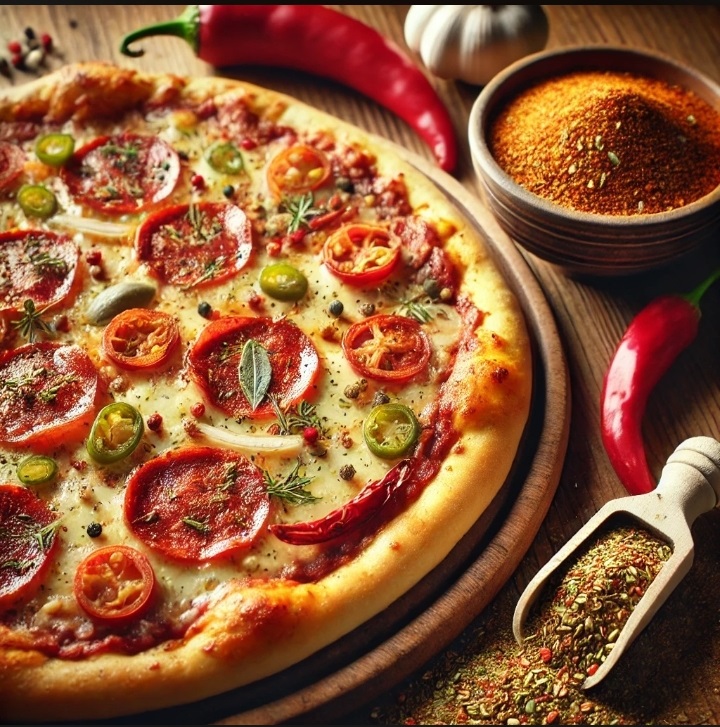
Trademark Registration of Pizzas and Pizza Spices
Trademark Registration of Pizzas and Pizza Spices in Class 30
Trademark Registration of Pizzas and Pizza Spices
In the trademark classification system, products and services are categorized into different classes. Class 30 refers to food products, specifically those that are prepared or processed, and includes items such as pizzas, pizza bases, and various pizza-related spices and seasonings.
Class 30: Food Products and Culinary Goods
The classification includes items such as:
- Pizza
- Pizza dough
- Pizza spices and seasonings (including dried herbs, spices, and spice blends)
- Pasta sauces (specifically for pizza toppings)
- Frozen pizzas
- Pizza-related condiments and toppings
By registering your brand under Class 30, you ensure protection for your product’s name, logo, and packaging in connection with these goods.
Process of Trademark Registration for Pizzas and Pizza Spices in Class 30
Registering a trademark is a crucial step for businesses in the pizza and pizza spice industry. Below is a detailed step-by-step process for trademark registration in Class 30.
Step 1: Conduct a Trademark Search
Before applying for trademark registration, it is essential to conduct a comprehensive trademark search to ensure that your desired name or logo is not already in use. You can use the Trademark Public Search Portal to check existing trademarks and avoid conflicts.
Step 2: Choose a Unique Brand Name
Selecting a unique and distinctive brand name is essential for trademark registration. Avoid generic terms that are commonly used in the pizza industry. Your brand name should be creative, original, and easily distinguishable from others in the market.
Step 3: Prepare the Trademark Application
Once you have a unique brand name, you need to fill out a trademark application form. The application should include details such as:
- The name of the trademark owner (individual or business entity)
- A clear representation of the trademark (logo or brand name)
- A description of the goods (pizza, pizza spices, or related products)
- The class of goods (Class 30 in this case)
Step 4: Submit the Application
After preparing the application, you can submit it to the appropriate trademark office. In most countries, this can be done online via the official trademark office website. Once submitted, the office will review the application to ensure that it complies with all requirements.
Step 5: Examination and Publication
The trademark office will examine the application for any potential conflicts with existing trademarks. If there are no issues, your trademark will be published in the Trademark Journal for opposition. This period allows third parties to challenge the registration if they believe it infringes on their own trademarks.
Step 6: Registration and Issuance of Certificate
If no oppositions are raised, or if the opposition is successfully resolved, the trademark will be registered, and you will receive a certificate of registration. This grants you exclusive rights to use the trademark for your pizza and pizza spices products in the designated class.
Priority Suggestions for Trademark Name Search
1. Use the Trademark Public Search Portal
Start by visiting the official Trademark Public Search Portal. Enter the name or logo you plan to use and check for any existing trademarks that may be similar or identical. This step can help you avoid legal conflicts in the future.
2. Focus on Distinctiveness
When conducting a name search, focus on names that are unique and distinctive. Avoid names that are too descriptive or generic, as these are often not eligible for trademark protection.
3. Consider Different Variations
Try searching for different variations of your brand name, including different spellings, abbreviations, or related words. This can help you spot potential conflicts and refine your branding strategy.
4. Check for Conflicts with Logo Designs
Along with checking the name, ensure that your logo design is not similar to existing logos in the pizza or spice industry. This is crucial to avoid confusion and potential legal disputes.
Challenges and Conflicts in the Pizza and Pizza Spices Industry
The pizza and pizza spice industry has seen tremendous growth, which has led to an increase in competition and potential trademark conflicts. Some of the primary challenges in this sector include:
1. Overlapping Brand Names
With so many businesses operating in the pizza space, it is common to encounter overlapping brand names. This can lead to confusion among consumers and may even result in legal disputes.
2. Similar Logos and Packaging
Another issue is the use of similar logos and packaging designs. When logos look alike or convey similar visual messages, it can lead to accusations of brand infringement and cause confusion in the marketplace.
3. Generic Terms and Descriptions
Pizza and pizza spice names often include common terms like “cheese,” “spices,” or “tomato,” making it difficult to create a distinct brand name. Such generic terms are hard to protect through trademarks, and using them may result in rejection or legal complications.
4. International Trademark Protection
With many pizza businesses expanding globally, it is crucial to consider international trademark protection. Without this, a business may find its trademark already registered in another country, leading to potential legal challenges.
5. Counterfeit Products and Infringements
The rise of counterfeit products in the food industry is a growing issue. Unauthorized use of trademarks can result in brand dilution and loss of consumer trust.
10 Ways to Avoid Trademark Challenges and Conflicts in the Pizza and Pizza Spices Industry
1. Conduct a Thorough Trademark Search
As mentioned earlier, always perform a comprehensive trademark search before applying for registration. This will help you identify and avoid similar trademarks that could lead to disputes.
2. Create a Unique and Memorable Brand Name
Choose a brand name that stands out from the competition. Avoid using descriptive terms like “pizza spice” or “Italian pizza” that could be considered too generic.
3. Protect Your Logo Design
Along with registering your brand name, protect your logo design as well. A unique logo can strengthen your brand identity and prevent confusion with other businesses.
4. Monitor Trademark Filings
Regularly monitor trademark filings to ensure that no new trademarks are similar to yours. This can help you identify potential conflicts early on.
5. Secure International Trademark Protection
If you plan to expand internationally, consider filing for trademark protection in other countries. This will ensure that your brand remains protected globally.
6. Avoid Common Industry Terms
Be mindful of using terms that are commonly used in the pizza industry, such as “spicy,” “cheese,” or “tomato.” These terms are not protectable and may lead to confusion with other brands.
7. Stay Updated on Trademark Laws
Trademark laws may change over time, so staying informed about any updates can help you avoid issues with your trademark registration.
8. Consider Hiring a Trademark Attorney
Consulting with a trademark attorney can be beneficial in navigating the registration process and ensuring that your brand is fully protected.
9. Respond Promptly to Opposition Notices
If you receive a notice of opposition from another party, respond quickly and seek legal counsel to resolve the matter. Ignoring these notices can result in the loss of your trademark application.
10. Keep Your Trademark Active
Ensure that your trademark is used regularly and maintained in accordance with the legal requirements. This will help preserve your trademark rights and prevent any potential challenges to its validity.
Leading Brands and Registered Trademarks in the Pizza and Pizza Spices Industry
Several leading pizza brands have successfully registered trademarks to protect their brand identity. Here are 10 examples of such brands:
1. Domino’s
Domino’s is one of the most recognized pizza brands globally, and it has multiple registered trademarks for its name, logo, and product designs.
2. Pizza Hut
Pizza Hut holds several trademarks for its name, logo, and pizza-related products, ensuring protection for its global brand.
3. Papa John’s
Papa John’s has registered trademarks for its brand name, logo, and unique pizza ingredients, distinguishing it in the competitive pizza market.
4. Little Caesars
Little Caesars has trademarked its brand name and logo to protect its identity in the pizza industry.
5. California Pizza Kitchen
California Pizza Kitchen is a well-known pizza brand with multiple trademarks protecting its logo and product names.
6. Oregano’s Pizza
Oregano’s Pizza, a regional pizza chain, has successfully registered trademarks for its name and menu items.
7. DiGiorno
DiGiorno’s frozen pizza brand is a registered trademark in Class 30, ensuring its protection in the frozen food market.
8. Red Baron
Red Baron is a well-known frozen pizza brand with trademarks for its logo and product lines.
9. Papa Murphy’s
Papa Murphy’s is a popular take-and-bake pizza chain with registered trademarks protecting its name and logo.
10. Hot & Ready
Hot & Ready is a product of Little Caesars and has trademark protection for its name and design.
Conclusion: Protecting Your Pizza Brand with Trademark Registration
Trademark registration is a crucial step in protecting your pizza and pizza spice brand. By following the process carefully, conducting a thorough name search, and avoiding common conflicts, you can safeguard your business from potential legal issues and build a strong brand identity. As the pizza industry continues to grow, taking proactive steps to protect your intellectual property will set you apart from competitors and ensure long-term success.
